
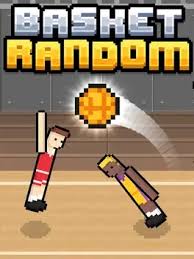
Store management games offer a fascinating glimpse into the behind-the-scenes workings of retail empires. They let you strategize, optimize, and ultimately, build your own thriving business (or watch it hilariously crumble!). While games like Theme Hospital or Recettear: An Item Shop's Tale give a more direct simulation of running a shop, the principles of resource management, problem-solving, and understanding customer needs translate surprisingly well across different genres. We can even see some of these elements, albeit in a simplified and chaotic form, mirrored in games you might not immediately associate with retail, like Basket Random . Let’s explore how.
Introduction: More Than Just Scanning Groceries
The allure of store management games lies in the power they grant you. You're not just a customer browsing the shelves; you're the architect of the shopping experience. You decide what to sell, how to arrange your displays, and how to keep your customers happy (and spending!). This level of control is incredibly satisfying, whether you're meticulously organizing inventory or juggling staff schedules to maximize efficiency.
While many store management games aim for realism, others inject humor and absurdity into the mix. Think of Overcooked, where teamwork and frantic cooking are essential for surviving a restaurant shift. These games, even if they don't explicitly focus on the financial aspects of retail, still require you to manage resources, prioritize tasks, and adapt to unexpected challenges.
And that's where we can draw a surprising parallel to a seemingly unrelated game like Basket Random. While at first glance, it's a quirky physics-based basketball game, the core skills it tests – adaptability, quick thinking, and understanding probability – are all vital for success in the retail world. Let's dive in.
Gameplay: From Point-of-Sale to Point Scored (and Random Chaos)
So, what is Basket Random? In short, it's a 2D basketball game with a hilarious physics engine. Two players (or one player against the AI) control comically rendered figures that jump, flop, and generally flail around the court. The objective, of course, is to score more points than your opponent by shooting the ball through the hoop.
The "random" element comes in two main forms:
Random Player Physics: Each time you jump, the force applied to your player's movement is slightly different. This makes consistent jumps and shots incredibly difficult. Random Court and Ball: The court size, the height of the basket, and even the type of ball you're using can change between rounds. Sometimes you'll be playing with a beach ball on a tiny court, other times with a bowling ball on a vast expanse. This unpredictability is what makes Basket Random so engaging. You can't rely on memorized strategies or practiced routines. You have to react to the constantly changing conditions and find creative ways to score.
While it’s not directly a store management game, the connection lies in the need to adapt to unexpected circumstances. Imagine a sudden influx of customers during a sale, a broken freezer, or a supplier delay. In each scenario, you need to adjust your plans on the fly, prioritize tasks, and find creative solutions to keep your business running smoothly. Basket Random trains this same ability in a condensed, chaotic, and frankly hilarious environment.
Tips: Mastering the Randomness (and Retail Strategy)
Okay, so how do you actually play Basket Random and, more importantly, how can we relate it to the world of store management? Here are a few tips, drawing parallels where appropriate:
Embrace the Chaos: In Basket Random, perfection is impossible. The randomness ensures that even the most skilled players will miss shots and make mistakes. The key is to accept this and focus on adapting to each situation. In retail, unexpected problems are inevitable. Learn to view them as opportunities to innovate and improve your processes. Think of it as finding creative ways to stack the shelves when the delivery truck is late, or coming up with a flash sale to clear out soon-to-expire products. Learn the Basics: While the randomness is a major factor, understanding the basic mechanics of jumping and shooting is still crucial. Experiment with different jump heights and angles to get a feel for how your player moves. In retail, this translates to understanding the fundamental principles of customer service, inventory management, and marketing. Strategic Positioning: Even with the random physics, you can still improve your chances of scoring by positioning your player strategically. Try to anticipate where the ball will bounce and move into a favorable position for a shot. In retail, this means understanding your target market and positioning your store to attract the right customers. For example, placing high-margin items near the checkout or strategically arranging displays to encourage impulse purchases. Observe and React: Pay close attention to the changing conditions of the game. Notice how the ball bounces on different surfaces, how the wind affects its trajectory, and how your opponent is playing. In retail, this means monitoring customer behavior, analyzing sales data, and staying up-to-date on industry trends. Knowing what's selling well, who your customers are, and what your competitors are doing is vital for success. Have Fun! Ultimately, Basket Random is a game meant to be enjoyed. Don't take it too seriously and laugh at the absurd situations that arise. And that’s the point in real-life store management. A good store is not about being too serious. Fun and excitement create memorable shopping experiences that build customer loyalty. Conclusion: From Pixels to Profits – The Unexpected Lessons of Basket Random
While Basket Random might seem like a simple and silly game, it offers valuable lessons about adaptability, problem-solving, and strategic thinking – skills that are essential for success in any field, including store management. By embracing the chaos, learning the basics, positioning yourself strategically, observing and reacting to changing conditions, and, above all, having fun, you can master the randomness of Basket Random and apply those same principles to your own entrepreneurial endeavors. So, next time you're facing a challenge in your business, remember the floppy players and unpredictable physics of Basket Random, and embrace the chaos with a smile. You might be surprised at what you can achieve.
Instructor:
